
Crazy Color: Color by Number
Special Coloring StudioBoard
4.81.05K Reviews
- Version
- 1.39.287
- Installs
- 500.00K
- Age Rating
- Teen
Screenshots


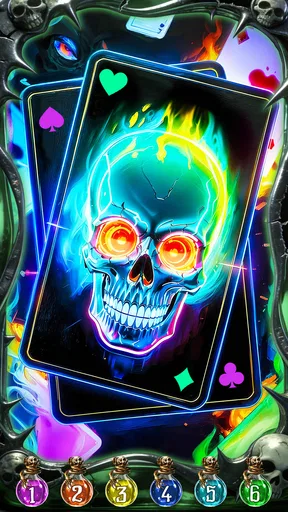
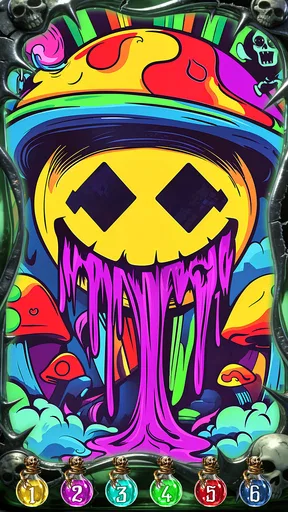




Our Review of Crazy Color: Color by Number
 Analysis by Appyee
I spent time with Crazy Color: Color by Number as a casual board game, and my first impression was that it understands exactly what kind of mood it wants to create. This is not a traditional numbered coloring book with calm landscapes and soft background music. Its appeal comes from strange, darkly comic pictures: cursed bottles, mutant characters, and internet-style meme art that look deliberately awkward before the colors bring them together. If ordinary color-by-number games feel too gentle or predictable, this one offers a much more mischievous alternative.
The basic idea is easy to grasp. I choose an image, select a color, and fill the matching numbered spaces. The activity remains familiar, but the artwork changes the feeling completely. I found myself paying more attention to the visual joke in each picture than I would in a conventional flower, animal, or scenery collection. That makes the game especially suitable for short breaks when I want something repetitive enough to relax me, but unusual enough to hold my attention.
How the coloring feels in everyday use
The strongest part of the experience is the gradual transformation of each image. At the beginning, a picture can look messy or intentionally unpleasant. As the numbered areas disappear, the composition becomes clearer and the punchline usually becomes easier to appreciate. I like that the result feels less like decorating a pretty illustration and more like uncovering the final version of a visual gag.
The controls are approachable for someone who has never played a color-by-number game. You do not need to learn a complicated board-game rule set, plan several turns ahead, or compete against another player. The challenge is mainly visual attention and patience. That simplicity makes it a reasonable choice for a bus ride, a television break, or the few minutes before going to sleep, although the darker humor may not suit every setting.
One useful habit is to start with the larger areas of a selected color rather than hunting immediately for the smallest gaps. This gives the picture shape quickly and makes the remaining work easier to scan. I also found it more satisfying to switch colors when only a few isolated spaces remained instead of repeatedly searching the whole image. That small change in workflow reduces the feeling of aimless tapping.
The game sits in the board category, but it is closer to a solo visual puzzle than to chess, checkers, or a competitive tabletop adaptation. There is no need to wait for an opponent, memorize openings, or worry about losing a match. Compared with a standard coloring app, its advantage is the deliberately weird image selection. Compared with a classic puzzle game, its advantage is the low pressure. The trade-off is that people looking for strategy, competition, or a meaningful long-term skill curve may find it too passive.
Speed expectations and the rhythm of a session
In my experience, the game is built around a steady rather than frantic pace. The pleasure comes from repeated taps and the gradual completion of an illustration, not from rapid reactions. That makes it comfortable for casual play, but it also means users should not expect the kind of immediate intensity found in an action game or a timed board challenge.
Perceived speed depends on the image. A design with broad, obvious sections feels quick to complete because progress is visible almost immediately. A crowded picture with many tiny spaces can feel slower, even when the interaction itself remains simple. This is an important distinction: the sensation of heaviness often comes from the artwork’s detail and the amount of searching required, not necessarily from the game doing complicated work in the background.
For a short session, I would choose an image that has a clear subject and larger color regions. That gives a satisfying result without turning a five-minute break into a long hunt for individual pixels. When I have more time, the denser pictures are better because they provide a longer, more focused activity. Treating the image choice as a time-management decision is one of the easiest ways to make the game fit a daily routine.
The free entry point also helps with speed expectations. I can try the core style without committing money first, then decide whether the available content and pacing justify any optional spending. In-app purchases range from $1.99 to $59.99 per item, so I would personally avoid making a purchase while simply browsing. I would first establish whether I enjoy the artwork and the repetition, then consider only the option that matches how often I actually play.
What happens during heavier use
The most demanding moments are likely to come from extended coloring sessions rather than from complex board mechanics. Filling a detailed image requires more repeated interaction, more visual scanning, and more patience. After several pictures, the limiting factor for me was attention: the process can become hypnotic, but it can also become monotonous if every session follows the same pattern.
That is why I would not treat it as an all-day game. It works better in focused intervals. A useful approach is to finish one illustration, take a break, and return later rather than pushing through several dense images in one sitting. This keeps the strange artwork feeling fresh and makes the completion effect more rewarding.
On a device with limited free space or older hardware, I would keep expectations sensible. The game’s presentation is centered on static coloring interactions rather than fast three-dimensional scenes, so it is not aimed at the same kind of hardware as a demanding action title. Still, image-heavy content and prolonged screen use can make any casual game feel less comfortable on a small or aging phone. I would judge the experience by how easily the screen lets me distinguish tiny numbered areas, not only by the processor inside the device.
Screen size matters more than many new users may expect. On a compact phone, small sections can require careful tapping, and the visual joke may be harder to appreciate when the finished picture is viewed at a reduced scale. A larger display makes the artwork easier to inspect and reduces accidental taps. If I were choosing between two otherwise similar devices for this game, I would favor the one with the clearer, more comfortable screen rather than chasing maximum gaming power.
Battery expectations should also be practical. This is a game I would use as a light diversion, not as a replacement for a long gaming session. If I were planning to play away from a charger, I would open it with a reasonable battery reserve and avoid leaving the screen active unnecessarily between sessions. That is ordinary advice, but it matters because the game encourages “just one more section” play.
Reliability, progress, and recovery
Reliability here is less about online competition and more about whether the game lets me return to a coloring task without unnecessary friction. A casual app earns my trust when I can open it, choose an image, make visible progress, and leave without feeling that the session demanded too much preparation. This title’s straightforward format works in its favor because there are fewer layers to understand before I can start coloring.
I would still use a sensible recovery routine if something interrupts a session: finish a natural section when possible, leave the game normally, and reopen it later rather than repeatedly switching between apps during active input. That is especially useful on older phones, where background apps may be cleared more aggressively. The advice is not glamorous, but it reduces frustration when a device is already managing many tasks.
The version shown for the game is 1.39.287, and the minimum operating system is Android 7.0. That makes it accessible to a broad range of Android devices, although compatibility on paper does not guarantee the same comfort everywhere. A phone that technically meets the requirement may still have a smaller display, less memory, or an older battery. I would treat the operating-system requirement as the starting point, not as a promise of identical performance.
When recovering from an interrupted session, I would look for the same image and check whether the visible coloring state remains as I left it before beginning another picture. If a user cares deeply about preserving long projects, it is wise to avoid clearing app storage casually or using aggressive cleanup tools without understanding what they remove. Long coloring tasks are more enjoyable when I think of them as small projects rather than disposable taps.
Another reliability consideration is the tone of the artwork. The content rating is Teen, which is a useful signal for families deciding whether the game belongs on a shared device. The images are intentionally dark, strange, or meme-oriented, so I would not hand it to a young child simply because the controls look harmless. The visual style is part of the product, and it should be judged alongside the mechanics.
Device constraints and who should install it
The game is free to install, which makes trying it straightforward. It comes from Special Coloring Studio and has attracted over 500 thousand installs, with an average rating of 4.8 from around 6.4 thousand ratings. Those figures suggest that the unusual coloring concept has found a receptive audience, but they do not remove the need to decide whether the humor and repetition match personal taste.
I see it working best for three kinds of players. First, it suits people who already enjoy color-by-number games but want artwork with a less polished, more bizarre personality. Second, it fits anyone who likes meme-inspired visuals and wants a quiet activity that does not require multiplayer coordination. Third, it can work for users who need a low-pressure way to occupy short gaps in the day, provided they are comfortable with the Teen-oriented presentation.
I would skip it if I wanted a serious board-game experience. There is no reason to choose this over a strategic digital board game when the goal is planning, competition, or tactical decision-making. I would also look elsewhere if I prefer elegant illustrations, peaceful scenery, or a traditional art-app atmosphere. The weirdness is not a minor decoration; it is the main identity, and someone who dislikes that identity may not enjoy the underlying tapping loop for long.
Storage and screen comfort are the practical constraints I would consider first. On a smaller or older phone, detailed images may be harder to inspect, and long sessions may feel tiring even if the game itself is not technically demanding. I would also be cautious on a shared family device because the Teen rating and darker jokes may not be appropriate for everyone using it.
Purchases deserve a deliberate approach. Since individual in-app items can cost from $1.99 up to $59.99, I would not assume that every available option represents good value for every player. The sensible workflow is to play free content first, identify whether the image style continues to amuse you after the novelty fades, and only then decide whether an optional item improves your personal routine. For a game based on repetition, buying more content makes sense only if you genuinely want more of that repetition.
Small techniques that improve the experience
My first practical tip is to use the completed image as a pacing tool. If I have only a few minutes, I choose a picture where the main shapes are easy to recognize. If I want a longer break from work, I choose a more intricate design and accept that the final reveal will take longer. This prevents the common mistake of starting a detailed image just before needing to leave.
My second tip is to treat tiny leftover sections as a final inspection stage. Instead of tapping randomly when the image is nearly complete, I scan one color at a time and move across the picture in a consistent direction. That method is slower at first but saves time when only scattered spaces remain. It also makes the finished artwork feel cleaner because I am less likely to overlook a small numbered patch.
Third, I would use the game as a transition activity rather than an automatic scrolling replacement. A short coloring session after commuting or before bed gives the hands and eyes a single task, while the strange images provide enough personality to prevent it from feeling like a blank productivity exercise. The trade-off is that the same easy rhythm can encourage me to continue longer than planned, so a natural stopping point is useful.
Finally, I would judge new content by variety of mood, not simply by the number of pictures. The best reason to continue is finding images that make me curious about the final result. If several selections feel visually similar, taking a break is better than forcing the game into a daily obligation. Its strength is casual novelty, not an endless requirement to complete every available picture.
My performance verdict
After looking at the game through speed, heavier use, stability, and device limits, I see it as a lightweight-feeling casual board title whose main demand is visual attention rather than complex computation. I would expect the smoothest experience on a device that meets the Android requirement comfortably and has a screen large enough for detailed coloring. I would not choose it for high-intensity gaming, but that is also why it works well as a quiet break.
The best part is the clear personality. Cursed objects, mutants, and meme-like art give the familiar color-by-number format a sharper edge, and the gradual reveal makes each completed image feel like a small discovery. The biggest limitation is equally clear: once the novelty of the artwork wears off, the repeated coloring process may feel too passive for players who need strategy or constant challenge.
Overall, I would recommend it to a friend who wants a free, oddball coloring game for short, low-pressure sessions and who is comfortable with Teen-rated humor. I would suggest trying the free experience before considering purchases, especially because the optional items can become expensive at the upper end. If your priority is relaxed interaction, distinctive art, and a game that can fit into an ordinary spare moment, Crazy Color: Color by Number is an easy one to test. If you want competition, deep board strategy, or a calm conventional coloring book, another category of game will serve you better.
Verdict
Strengths of Crazy Color: Color by Number
- Simple color-by-number controls are easy for beginners to understand.
- Large library of pictures offers plenty of subjects to complete.
- Helpful hints make difficult or tiny sections less frustrating.
- Completed artwork can be saved and shared with friends.
- Relaxing gameplay works well for short breaks or casual sessions.
Limitations of Crazy Color: Color by Number
- Some images or features may require coins, ads, or in-app purchases.
- Small sections can be difficult to tap accurately on compact screens.
- Frequent advertisements may interrupt the coloring experience.
- The app may feel repetitive after completing many similar pictures.
- Offline access and available content can vary between app versions.
Other Releases by Special Coloring Studio
View All
Abstract Surreal Coloring Game
Board4.6

Rebel Gangster Coloring Pages
Board4.7
Similar Picks in This Category
View All
Ludo King®
Gametion4.1

Ludo
Yarsa Games4.6

Tile Master® - Matching Game
Higgs Studio3.6

Checkers Online
CC Games4.6

Dominoes
Loop Games4.7

Chess
Chess Prince4.6
Frequently Asked Questions
What is Crazy Color: Color by Number?
Crazy Color: Color by Number is a relaxing digital coloring app built around numbered illustrations. After selecting an image, you fill each section by matching the number with its corresponding color. The app includes a variety of categories and artwork, making it suitable for short breaks, casual creativity, or users who enjoy completing detailed pictures without needing traditional drawing skills.
Is Crazy Color: Color by Number free to download and use?
The app can generally be downloaded for free, but some artwork, tools, or additional features may be limited unless you watch advertisements or choose an optional purchase or subscription. The exact availability can vary between Android and iOS and may change with updates. Before downloading, check the store listing for current pricing, in-app purchases, and subscription details.
Does Crazy Color: Color by Number work offline?
Some previously loaded coloring pages may remain available without an internet connection, allowing you to continue coloring when traveling or when mobile data is unavailable. However, the app may need internet access to download new pictures, display advertisements, synchronize progress, or unlock certain content. For the most reliable offline experience, open and load the images you want to use before disconnecting.
Is Crazy Color: Color by Number suitable for children?
The simple tap-to-color controls make Crazy Color: Color by Number easy for many children to understand, and the activity can encourage concentration and creative expression. Nevertheless, parents should review the app’s age rating, advertising, in-app purchase options, and privacy information before allowing unsupervised use. Younger children may also need help navigating menus or avoiding accidental purchases.
What devices and permissions does the app require?
Crazy Color: Color by Number is designed for Android and iOS smartphones and tablets, although supported operating-system versions can change as the app is updated. It normally requires storage for downloaded artwork and saved creations, while internet access may be used for content, ads, or synchronization. Review the permissions requested during installation and compare them with the official store listing before granting access.
Play our best games!


